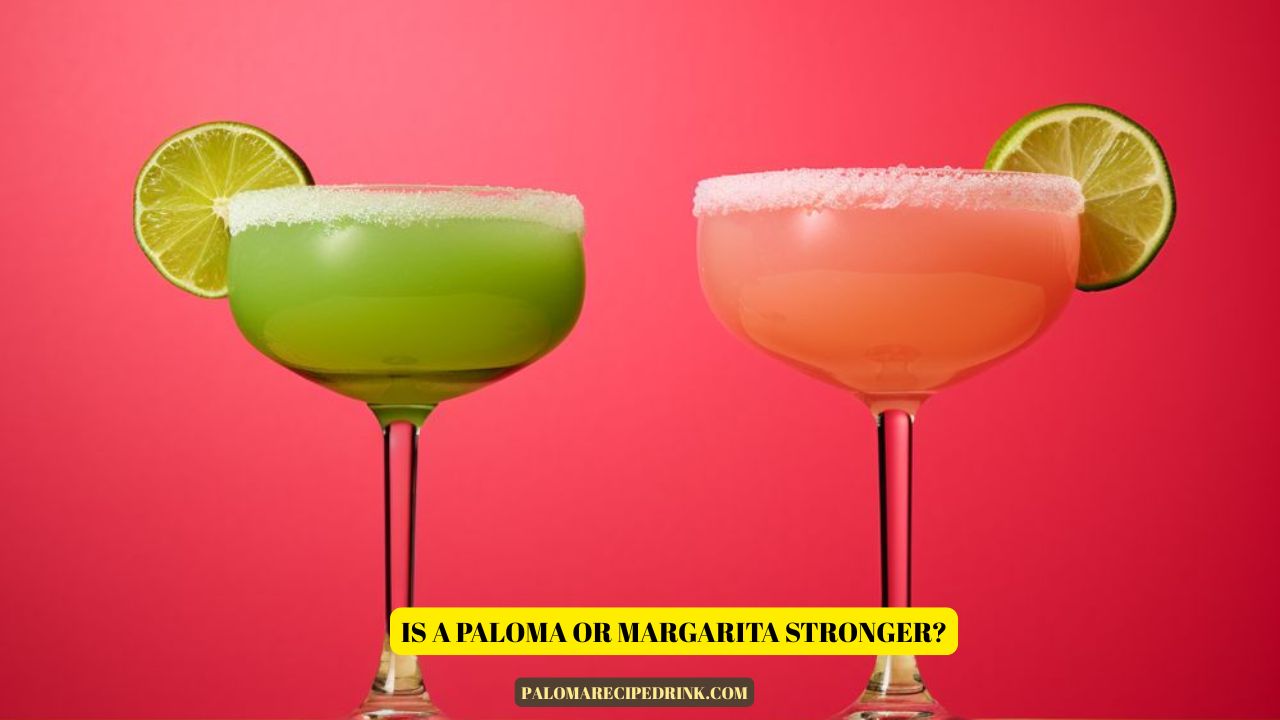
If you’ve stood at a bar and stared at the menu for cocktails and contemplating whether you should order an Paloma or Margarita and you’re the only one. Both of these drinks make up the top two loved cocktails around the globe. Each is refreshing and fruity and deeply rooted in Mexican drink culture. Yet a surprising question arises when people discuss the two: which one is more potent?
The answer isn’t as simple as it may appear. The strength of cocktails is determined by various factors, such as quantity of alcohol used, the proportion of mixers as well as the method by which the drinks are served. On first glance the two cocktails both use Tequila as their primary spirit and could make them appear similar. But the balance of the ingredients tells a distinct story.
The typical margarita typically has more alcohol due to the inclusion of the liqueur of orange and tequila with very little diluting. In contrast the Paloma is typically made up of more mixers such as grapefruit soda which lowers the alcohol content overall. The results of studies and cocktails indicate that margaritas can exceed 20-30 percent ABV however Palomas generally range between 15-20% ABV based of the specific recipe.
However, strength of alcohol isn’t all that is important when deciding among these drinks. The taste, drinkability as well as sweetness and the size of the serving all affect how strong a cocktail is in your mouth and the speed at which it impacts your. In the course of this article, we’ll discuss the components and alcohol levels, as well as flavour profiles, and actual variations among these classic tequila cocktails to help you understand exactly which one packs the most punch.
Understanding Cocktail Strength
What Does “Stronger” Mean in Cocktails?
When people ask if the drink is stronger is usually asking how much alcohol it has. However, strength doesn’t only refer to how much alcohol is added to the glass. In the field of cocktail science, strength is typically measured with the alcohol content by volume (ABV), which is the amount of alcohol pure in a drink.
Imagine two cocktails sat next to each other. One may contain the same quantity of tequila that the one, but it tastes softer. Why? because mixers such as soda juice, ice, or even soda can dilute alcohol. The greater the dilution is the lower the alcohol content of the drink is. This is why certain cocktails that contain similar amounts of alcohol may feel different after you consume them.
Also, there’s a mental aspect in play. Drinks which are sweeter or more citrus-forward tend to mask the flavor of alcohol, which makes them appear less strong than they really are. However, drinks that are flavored with spirit, like the classic martini or an traditional cocktails–taste stronger, even if the alcohol content is similar.
Understanding these distinctions is essential in comparing drinks like Palomas as well as margaritas. Both are made with tequila. However, the proportion of ingredients determines the strength of each drink in actual use. To determine which is more powerful, we have examine their composition as well as the science behind ABV.
Understanding Alcohol by Volume (ABV)
Alcohol by Volume also known as ABV is the most common measure used to gauge the strength of alcohol-based drinks. It is the amount of alcohol-free drink in relation to the overall quantity of liquid. In the case of tequila, it typically contains approximately 40 percent ABV which means that 40 percent of the liquid inside bottles is alcohol.
When tequila is added to cocktails when it is mixed into cocktails, the ABV decreases due to non-alcoholic ingredients such as lime juice, soda syrups or lime juice reduce the strength of it. This is when cocktails start to differ in strength. Even minor adjustments in ingredient ratios can dramatically alter the final ABV of a cocktail.
For example, a drink with 1.5 1 ounces of tequila paired with massive quantities of soda will be much lower in ABV than a drink made mostly with liqueurs and orange juice. That’s the primary distinction between refreshing cocktails that are highball-style and concentrated cocktails.
The majority of margaritas are in that category called spirits-forward drinks which means that the alcohol content stays high after mixing. Palomas in contrast, belong to the long-drink category that typically has greater mixers as well as a larger serving size. The diluting process lowers its ABV as well as makes it more light and more comfortable to sip throughout the course of.
Once you grasp this idea it becomes simpler to understand the reasons why one cocktail generally has a stronger flavor over the others.
What Is a Margarita?
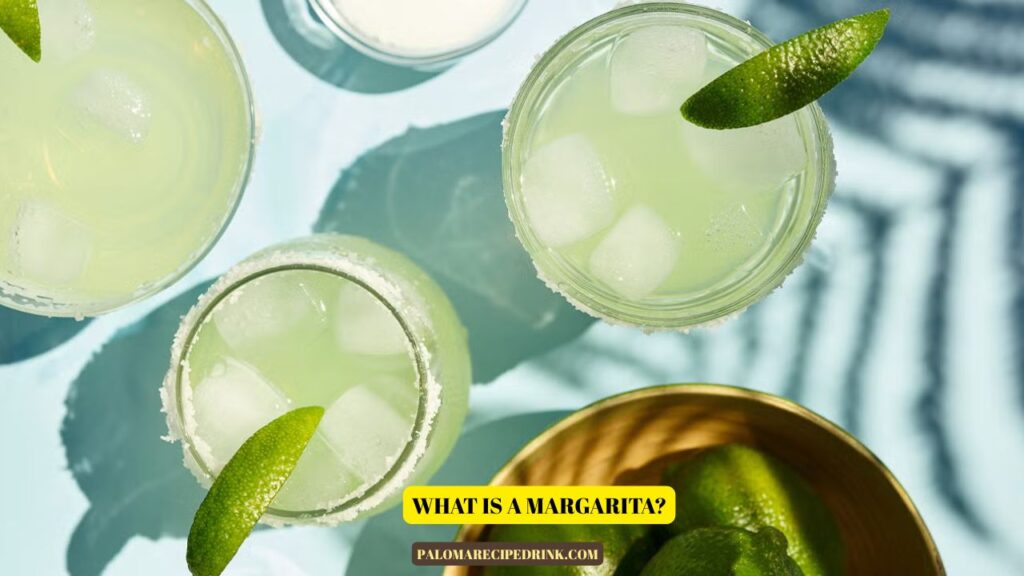
Traditional Margarita Ingredients
The margarita is perhaps the most well-known tequila drink worldwide. It’s a common drink in restaurants, bars beaches, restaurants, and backyard gatherings. Although it’s a popular drink, the recipe is quite easy to make and follows a traditional cocktail format: spirit, citrus along with sweetness.
A traditional margarita has just three ingredients that are essential to its creation:
- Tequila
- Fresh lime juice
- Orange liquor (such such as Triple Sec or Cointreau)
- Salt Rim (optional however, it is a traditional)
This blend creates a balanced drink that is sweet and tart. The tequila acts as the base of the drink. The lime juice provides the brightness and acidity, while the orange liqueur provides sweetness and alcohol.
The margarita can be served in a glass straight up, in a glass or frozen. No matter what the method of serving the recipe usually has an incredibly high percentage of alcohol in comparison mixers. This is one reason why margaritas are renowned as being surprisingly robust.
Another fascinating aspect about margaritas is how adaptable they can be made to suit your needs. The bars often include fruit flavours such as mango, strawberry or pineapple. Some recipes also include agave syrup to provide added sweetness. Although these variations alter the flavor and calories but the basic alcohol structure is usually the same.
Typical Alcohol Content of a Margarita
In terms of alcohol strength, margaritas can be said to be extremely strong. A typical margarita recipe contains 1.5 pounds of tequila, and around 0.5 1 ounces of orange liquor making approximately 2 two ounces of alcohol before diluting.
When lime juice and after adding ice and ice is added, the final ABV typically ranges between 15 and 25%, depending upon the type of recipe used and the serving size. Margaritas fall into the same category like many other cocktails that are strong, such as cosmopolitans or daiquiris.
Here’s a quick description of the strength of margarita:
| Component | Typical Amount |
|---|---|
| Tequila | 1.5 oz |
| Triple sec | 0.5 oz |
| Lime juice | 1 oz |
| Total alcohol | ~2 oz |
Since both tequila and liqueur are alcohol-based and alcohol, the margarita ends up being high in spirit in comparison to other drinks. In reality, some of the larger margaritas in restaurants could comprise the equivalent of three or two normal drinks according to the drink.
The alcohol content is the primary reason margaritas tend to be stronger than other cocktails made with tequila, such as the Paloma.
What Is a Paloma?
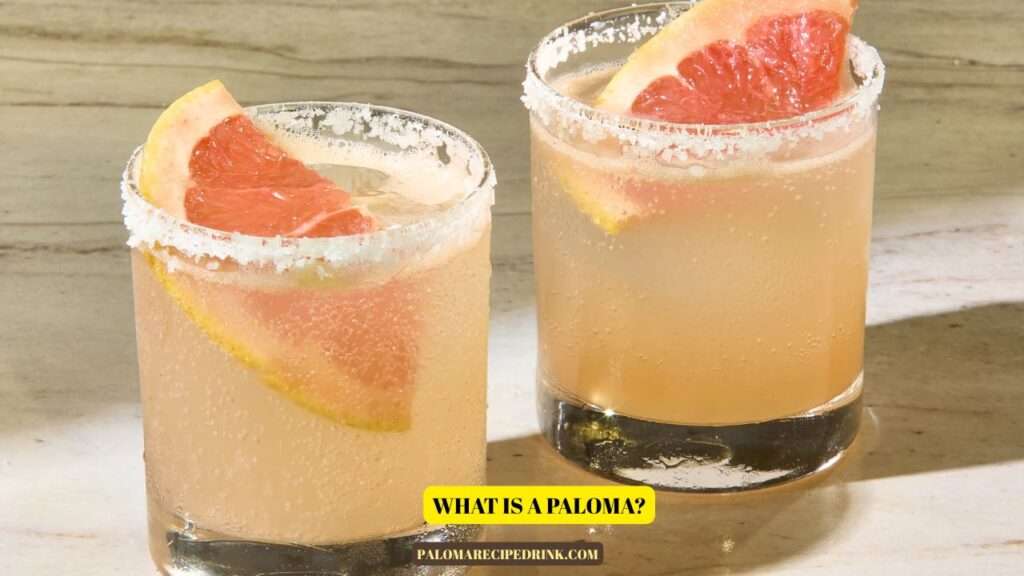
Traditional Paloma Ingredients
Paloma Paloma can be a different famous tequila drink, as in Mexico it’s perhaps more well-known than margaritas. While margaritas are the most popular cocktail on international menus however, the Paloma is regarded as the standard tequila drink in most of Mexico.
The recipe for a classic Paloma is refreshingly easy:
- Tequila
- Grapefruit soda or fresh grapefruit juice
- Lime juice
- Salt rim (optional)
In contrast to margaritas, the Paloma is heavily based on the use of a carbonated mixer typically grapefruit soda. The effect immediately alters the structure that the beverage takes. In lieu of forming a compact drink served in a glass that is small, the Paloma is usually served as an long drink served in large glasses filled with the ice.
The larger volume of the drink means that there’s more mixer in relation to alcohol. The grapefruit soda is not just enhances the flavor, but it also helps dilute the tequila, making a drink light, refreshing, and more enjoyable to drink slowly.
A lot of bartenders refer to the Paloma as a tequila-based version of an tonic and gin also known as vodka soda–a simple highball cocktail made to refresh rather than a high alcohol consumption.
Typical Alcohol Content of a Paloma
Because Palomas have more mixers as well as mixer, they usually contain less alcohol than margaritas. A typical Paloma usually has around 1.5 up to two ounces tequila together with citrus and grapefruit soda which greatly dilutes the drink.
The recipe will vary, but the final drink is usually in the range of between 8% and the 12% ABV which is similar to the wine glass. If you make stronger versions with less soda however, the ABV can increase to 12-15 percent however it remains below the level of the majority margaritas.
Here’s an easy comparison of the alcohol concentration:
| Cocktail | Typical ABV |
|---|---|
| Margarita | 20-30% |
| Paloma | 15-20% |
The quantities can change based on the pour of the bartender and the quantity of ice in the drink, and also the mixer type used. However, the general pattern is the same: margaritas are usually more powerful because they have more mixers and alcohol.
Read also:
Paloma vs Margarita – Alcohol Strength Comparison
Ingredient Ratios and Their Impact
The major difference between these cocktails is in their proportions of ingredients. Margaritas include tequila along with an additional alcohol-based ingredient–orange liqueur. This boosts the alcohol content overall. Palomas are a different way to mix the tequila and a mixer that is not alcoholic.
The seemingly minor difference alters the potency of the drink. In a margarita drink, the majority of the volume of liquid comes from alcohol-based ingredients. In the case of a Paloma the majority of the volume is made up of juice or soda that dilutes the alcohol.
Imagine it as it’s like coffee. Straight espresso shots are extremely concentrated and powerful, while Latte is the exact same coffee, but with milk. Both are caffeine-based, however one is more potent per drink. Margaritas are basically an espresso of cocktail with tequila however, Palomas are similar to the Latte version.
Mixer Quantity and Dilution
Mixer quantity can also influence the speed with which a drink can affect the person drinking it. A margarita is typically served in smaller glasses with a limited amount of dilution. This means that each sip is a greater level of alcohol. The tall glass used for Palomas is stuffed with soda and ice and spread the alcohol over the larger area.
It’s not necessarily a sign that the Paloma is less alcoholic overall, it simply means that the alcohol is more dilute. In the end, the drink is lighter in flavor and is able to be consumed more easily.
It is also true that it may make people drink Palomas faster, which can result in drinking more alcohol in the course of time, even though the particular drink is technically less strong.
Nutritional and Calorie Differences
Calories in a Margarita
Calories are another aspect that many people take into consideration when selecting cocktails. Margaritas vary in terms of calories, based on the ingredients that are used. A simple margarita made of freshly squeezed lime juice as well as tequila could have about 200 to 250 calories and drinks made with sweet mixes may exceed 300 calories for a serving.
The majority of the calories come from sweet mixers and orange liqueur instead of Tequila itself. A lot of bars make margarita drinks that have significant quantities of sugar, significantly adding calories.
Because margaritas are stronger cocktails, they typically provide both higher levels of alcohol and calories per glass.
Calories in a Paloma
Palomas are generally thought of as an alternative to a lighter diet, particularly when they are made using the fresh juice of grapefruit or soda with low sugar. A typical Paloma is around 200-300 calories according to the mixer that is used.
The most significant food source for calories within the Paloma is typically the grapefruit soda. If bartenders make use of fresh sparkling water and grapefruit juice instead, the calories count could drop dramatically.
This is a reason why many people pick Palomas when they are looking for an refreshing drink that’s not overly sour.
Taste, Drinkability, and Perceived Strength
Flavor Profiles Compared
The flavor is where these cocktails really diverge. Margaritas come with a bold sharp, sharp taste profile that is that is dominated by lime and tequila. The salt rim adds a punch to the flavors and makes an intense, vibrant drink that immediately awakens your taste buds.
Palomas however are more smooth and refreshing. Grapefruit is a mildly bitter citrus taste that works perfectly with Tequila. Since the drink is lighter and carbonated it can feel as refreshing and refreshing rather than the traditional cocktail.
The differences in these flavors affect the intensity of each drink. Margaritas are more pronounced since the alcohol isn’t dilute. Palomas are more light and accessible.
Why Some Drinks Feel Stronger Than They Are
It is interesting to note that perceived strength does not necessarily reflect the actual alcohol levels. Fruity or sweet drinks may disguise alcohol, which makes it appear as if they’re simple to consume.
Palomas are a part of this category. Their vibrant citrus flavors can make them appear less powerful than they really are, when they include a full shot or more Tequila.
Margaritas On contrary, provide a stronger alcohol flavor. This sharpness usually signals your mind that this drink has become more powerful even though the change in ABV isn’t huge.
Which Cocktail Gets You Drunker Faster?
If all other aspects are in balance, margaritas will usually increase your alcohol consumption faster. The higher concentration of alcohol means that every sip is laced with more alcohol.
But, the way you drink affects drinking habits. Since Palomas can be refreshing as well as simple to drink, many people consume them quicker or have multiple rounds. In these instances the total amount of alcohol consumed could end up being the same.
In the end, the type of beverage that has the most impact on you is based on:
- The volume of the drink
- Quantity of tequila that is used
- How fast you consume it
- Your body weight and tolerance
Tips for Choosing Between a Paloma and Margarita
When you’re trying to decide which drink to drink, take into consideration the type of experience you’d like to have.
Select the margarita If you’d like:
- A stronger cocktail
- Fresh citrus flavors
- A classic tequila cocktail
Pick an Paloma If you are looking for:
- A refreshing, light drink
- Lower alcohol concentration
- Drinks that you can take slowly
Both cocktails are great each in their own way and the right choice is determined by the event.
Conclusion
What, then do you think a Paloma or a Margarita more powerful? In most cases Margarita wins. Its mix of tequila and orange liqueur leads to an alcohol content that is higher generally ranging between 15 and 25 percent ABV however Palomas generally fall in the range of the 8%-15 percent ABV due to their greater quantity of mixers.
This doesn’t mean that the Paloma isn’t strong, it’s just made to be more refreshing and enjoyable to drink. Margaritas offer a sharper and more intense tequila taste and Palomas are a focus on balance and drinkability.
The two drinks are renowned cocktails of tequila that have endured the test of time. The choice of whether you want the bold punch of a margarita, or the refreshing bubbly of the Paloma will depend on your individual preference and the kind of evening you’re planning.
FAQs
1. Is a Paloma more sour that a Margarita?
Yes. In the majority of recipes the Paloma has more mixers and, consequently, has a lower percentage of alcohol than margaritas.
2. What is the amount of alcohol in the typical margarita?
A standard margarita is comprised of approximately 1.5 pounds of tequila, plus 0.5 Ounces of orange liquor which gives 15 to 25 percent ABV.
3. How can you tell how strong an Paloma cocktail?
The majority of Palomas include 8-12 percent ABV, based on the amount of tequila and soda are added.
4. Which drink is the most popular in Mexico?
Incredibly, it is interesting to note that the Paloma is frequently regarded as one of the top tequila beverage in Mexico despite the fact that margaritas are the most popular worldwide.
5. Can be a Paloma be strengthened?
Yes. Bartenders are able to increase the amount of tequila in their drink or lower the mixer amount to make stronger versions to the beverage.
Leave a Reply