
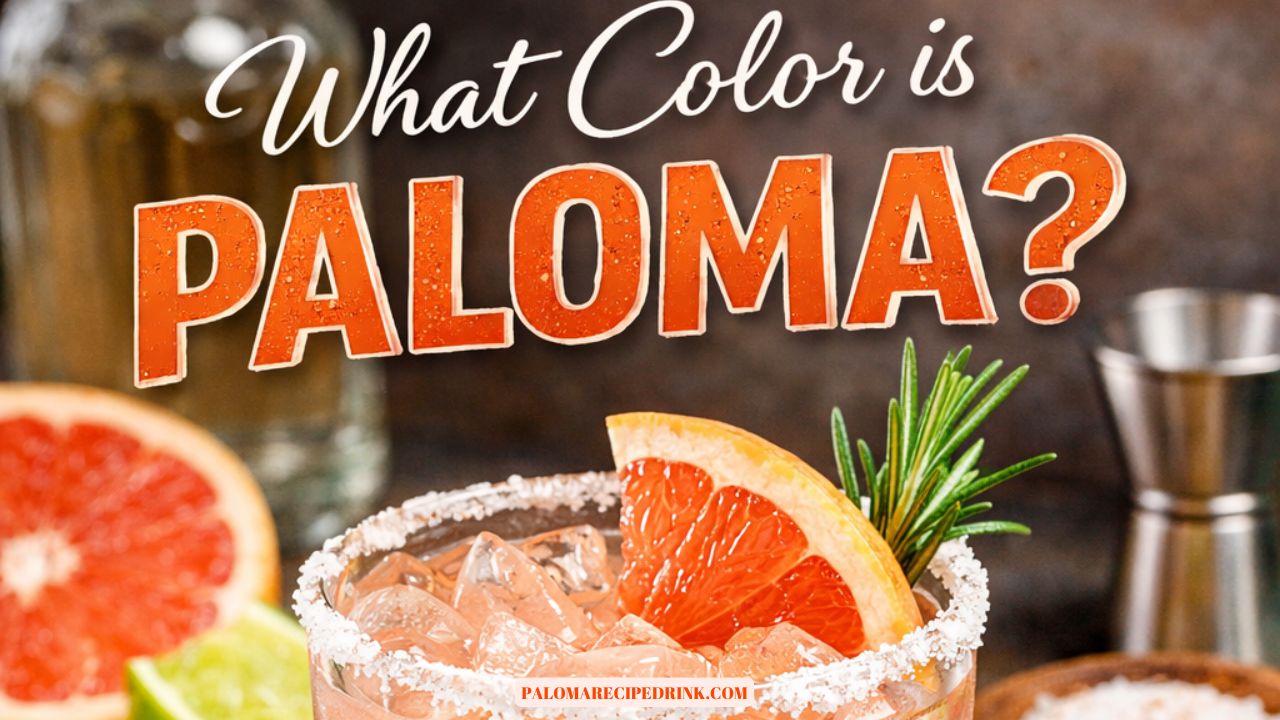
If you’ve ever ordered a Paloma or had one served to you at a party, you’ve likely noticed its soft and refreshing colors even before tasting it. People often question what color is Paloma? and the ansewer is color of Paloma relative to other tequila-based drinks, such as a Margarita.
However, many variables contribute to the final color of a Paloma, with the combination of these contributing ingredients creating a very specific color range for the Paloma.
This article will look further into what makes up the most common color of a Paloma cocktail, what impacts its appearance, and why the color of a Paloma is important when it comes to the way that consumers drink it.
What Is a Paloma Cocktail?
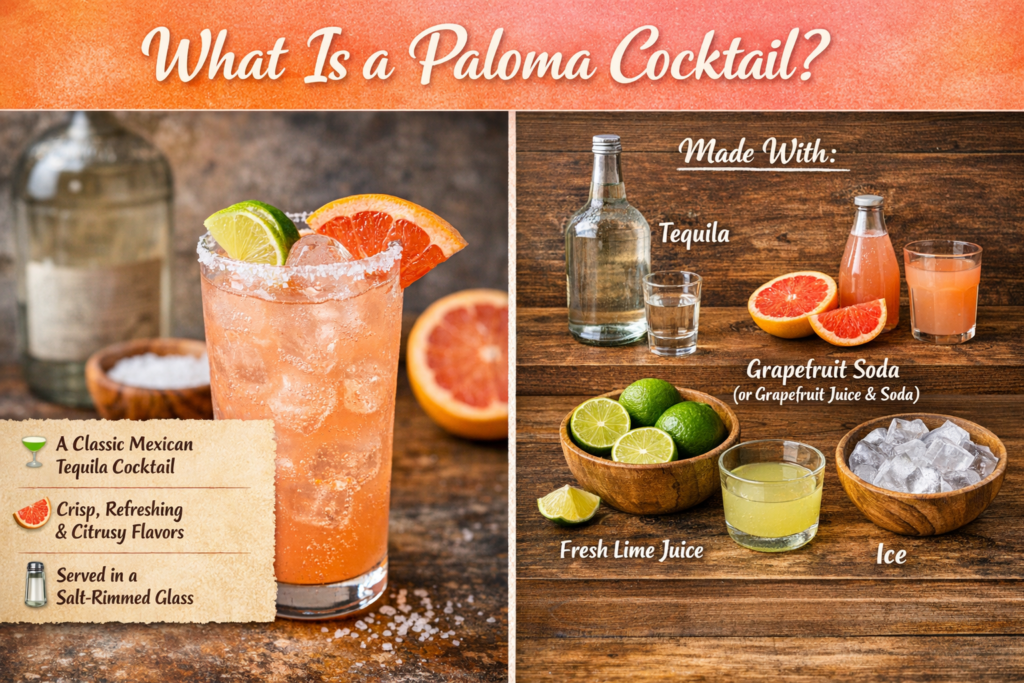
To understand the actual, normal color of Paloma, it is beneficial to first understand what Paloma is. Paloma is an incredibly popular Mexican cocktail made with tequila and grapefruit soda (some people use tonic instead), lime juice, and often just enough salt added for balance. The Paloma is light and refreshing; most would agree that it is far less sweet than many citrus-based cocktails.
As grapefruit has traditionally been considered to be the principal flavor for Paloma, it is only logical to assume that the resulting drink will therefore reflect that fruit’s color.
How Would You Describe a Traditional Paloma’s Coloration?
Typically, a traditional Paloma has a light pink or light coral coloration. The light blush colour is produced by the inclusion of grapefruit soda or grapefruit juice as part of the Paloma recipe for this cocktail. The appearance is not cloudy. With clear tequila and ice, the cocktail will appear clear.
A traditional Paloma may appear light pink with a hint of gold or peach in certain lighting conditions, especially if served in a clear glass.
How Does the Type of Grapefruit Soda Impact the Appearance of a Paloma Cocktail?
The specific type of grapefruit soda used defines and controls the final color of the Paloma cocktail. Grapefruit sodas like Squirt and Fresca are produced as pale pink or near-clear cocktails when mixings are finished. However, many artisanal or imported grapefruit soda brands produce cocktails with a little deeper pink coloration.
Grapefruit sodas marked “less artificial color” create cocktails that are a softer and more natural blush than those that use artificial colors. Since grapefruit soda is diluted and carbonated before it is added to the cocktail, a finished Paloma will typically show a softer, less pronounced color than a “bold” one.
Paloma Colors When Mixed with Fresh Grapefruit Juice
The color of Paloma with fresh grapefruit juice differs significantly from that when mixed with grapefruit soda (see above). With fresh grapefruit juice, you’ll see a cloudy pink (pale orange) and/or soft peach (based on the type of grapefruit used):
- When sweet pink grapefruit is used, you get a soft light pink color.
- When using ruby red grapefruit, you get a darker shade of pink or light red.
- When using white grapefruit, you will have a very pale yellow or extremely light peach shade.
The Palomas, made from fresh grapefruit juice, due to the cloudy coloration of fresh grapefruit juice, tend to look friendlier, richer, and more opaque than the original version of the Paloma, which is made from grapefruit soda.
Is Tequila a Factor in the Color of a Paloma?
Tequila can also make a difference in the color of the final product.
- When using Blanco Tequila (Clear), it helps maintain the Paloma as a bright-colored drink.
- By adding reposado tequila, you add a Very Light Golden Color.
- By adding an Añejo, you can darken the Paloma’s Color Slightly, and you can make it warmer in tone.
The aged tequila does not change the Paloma into a Dark Color; the Paloma will generally stay in the pink and peach color range.
Some Palomas may appear nearly transparent with only a small amount of color. This often occurs when:
- Light grapefruit soda is used to prepare the drink.
- Only a small amount of grapefruit juice is added to prepare the drink.
- The drink is served on crushed/over ice.
- A tall, slender glass is used to serve the drink.
In all these cases, the Paloma can still be classified as a classic Paloma with reduced visual impact.
The Impact of Garnishes on the Color of a Paloma
Although garnishes do not actually change the liquid in a Paloma, they have a significant effect on how people perceive the drink.
- Using a grapefruit slice as a garnish adds a visual pink hue to the drink.
- Using a lime wedge as a garnish creates a contrasting visual with green and yellow tones.
- A salted rim enhances the drink’s visual quality and makes the drink appear crisper and cleaner.
All these minor details can help the Paloma to look more appealing and vibrant, even though the base colour of the drink may still be quite soft.
What Does the Color of a Paloma Tell You?
When you see a Paloma, the color should give you an idea about the flavor you can expect before taking your first sip. The pale pink color is a clear signal that this drink is fresh, fruity, and cool. You won’t mistake this for a bright green or neon-colored cocktail. Paloma’s natural color is well-balanced and very sophisticated.
The softer color is also why the Paloma is a very popular cocktail served during summer parties, at brunches, and at other casual hours.
Read also:-
Conclusion:-
A Paloma should be in the light pink, soft peach, or pale coral range of colors. The specific color will vary depending on whether the drink was created by using grapefruit soda or fresh juice, as well as depending on the particular grapefruit and tequila style.
Regardless of which way you make the drink, the Paloma will always have a color that represents what it is. It’s a refreshing, fruity, simple, and delicious cocktail that everyone will be delighted to drink.

3 thoughts on “What color is Paloma? Understanding the Appearance of This Classic Grapefruit Cocktail”